

Princess Tent Company
Company
Shop By Category
T&Cs
Shop Online
  • The maker's own measurements
  • Free tracked Canada-wide delivery over $59
  • 14-day returns

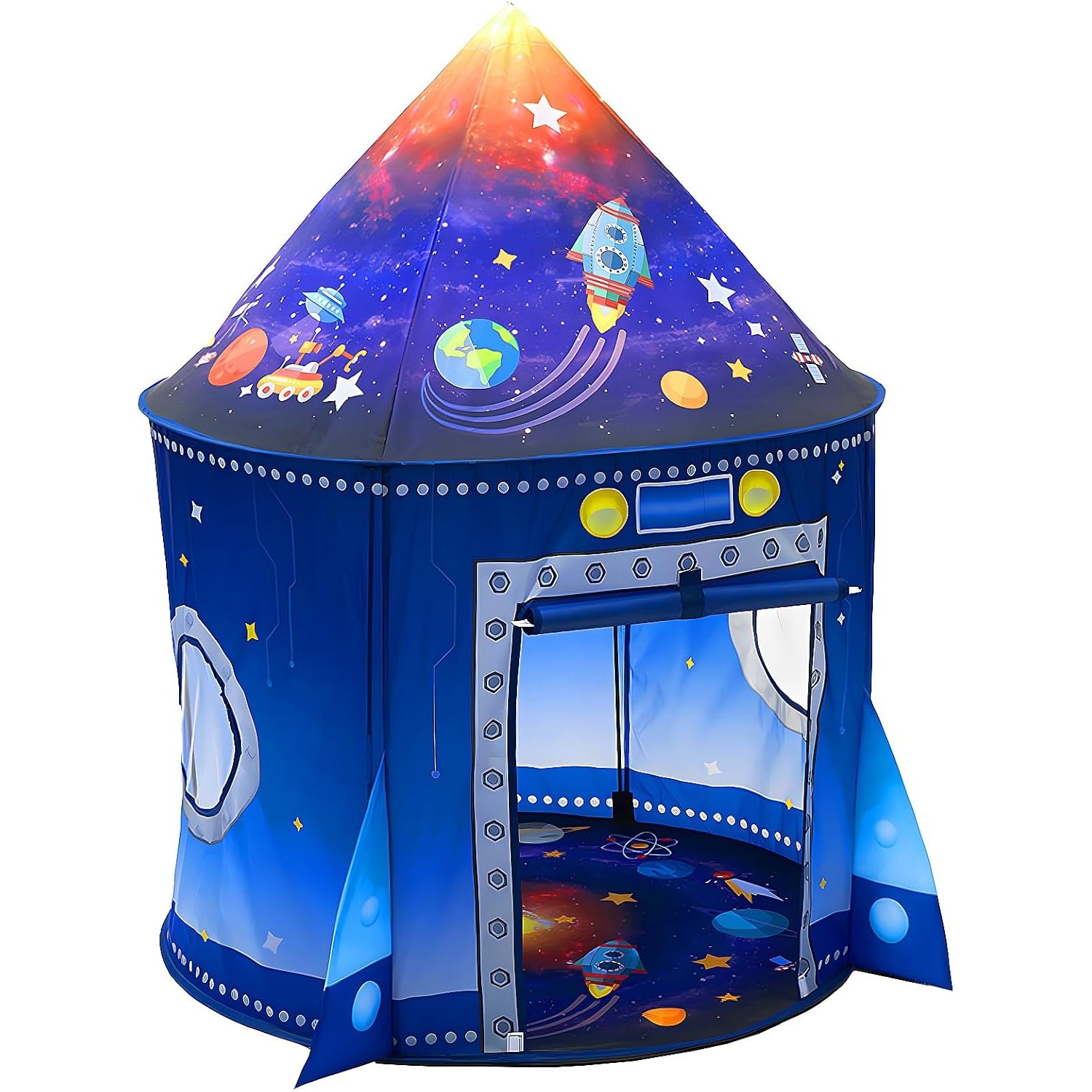
Rocket Ship Play Tent | kids playhouse tent | indoor play tent

Rocket Ship Play Tent

$79.99 $95.99 Save $16
  • Space Mission Theme
  • Pops Up Fast
  • Mesh Windows
  • Steel And Fibreglass Frame

Price: $79.99 $95.99

  • Free tracked Canada-wide delivery on orders $59+, otherwise a flat $18
  • Pay by card or PayPal, handled by the payment provider
  • 14 days to change your mind, plus your statutory rights
Product specifications
StyleRocket Ship
ThemeCastle, Rocket Ship
ColourBlue
MaterialPolyester
Frame MaterialSteel and fibreglass
SizeLarge
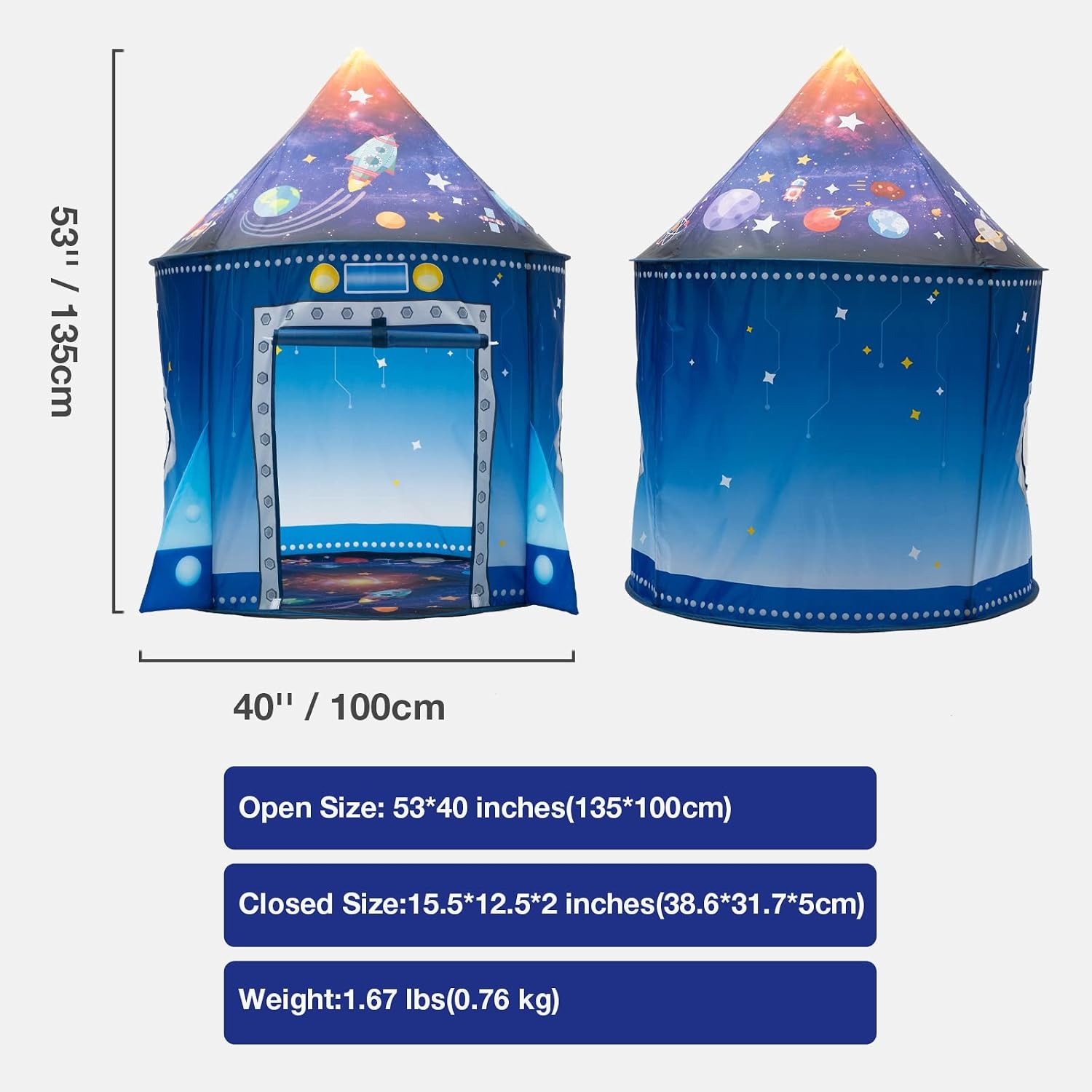
Set Up Size (D x W x H)101.6 x 101.6 x 134.6 cm
Packed Dimensions40 x 101.6 x 53 cm
Item Weight570 g
Number Of Items1
Number Of Packs1
ConditionNew
Weight570 g
Shipping & returns

Tracked delivery anywhere in Canada. It is free on orders of $59 or more, and a flat $18 below that.

If it is not right for you, send it back within 14 days of delivery in resaleable condition and we refund the price you paid, including standard delivery. That is a voluntary policy we offer on top of your legal rights. You cover the cost of returning it unless the item is faulty.

If it arrives faulty, damaged or not as described, we put it right at no cost to you under the consumer protection law of your province or territory (for example the Ontario Consumer Protection Act, 2002), return postage included.

Shipping details · Refunds and returns

Space Mission ThemeA rocket ship shape that invites astronaut games, countdowns and pretend launches.
Pops Up FastSets up and folds down quickly, then packs flat into the included carry bag.
Mesh WindowsAirflow inside and a clear line of sight so you can check in from across the room.
Steel And Fibreglass FrameFlexible fibreglass with padded steel poles to hold the shape through daily play.

Launch bedtime stories into orbit with a rocket ship play tent that turns any corner of the house into a space station.

A pop-up polyester play tent on a steel and fibreglass frame, with a tie-back door, mesh windows for airflow, and a carry bag so it folds flat between missions.

A rocket ship play tent that gives children their own small space station in the corner of a bedroom or playroom.

The polyester shell wipes clean with a damp cloth, so biscuit crumbs and sticky fingers are not a crisis.

Mesh windows and a tie-back door keep air moving and let parents glance in without crouching down.

A steel and fibreglass frame holds the shape through climbing in, crawling out and the occasional landing.

Folds flat into the included carry bag, so it travels to grandparents' houses and tucks away when floor space is needed.

Rocket Ship Play Tent

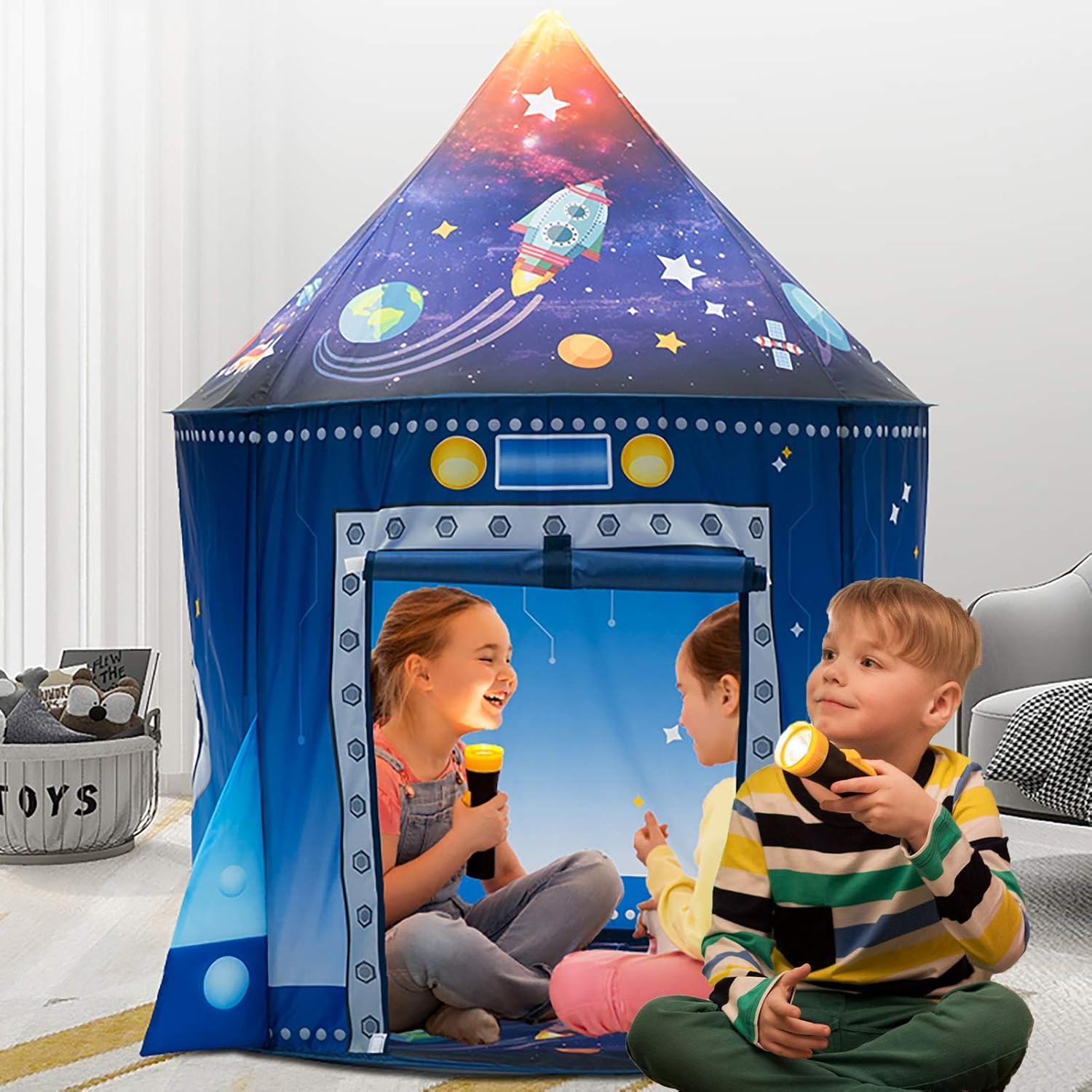
Children do not need much to start a story. Give them a doorway, a bit of enclosed space and something that looks like it might fly, and the rest arrives on its own. This rocket ship play tent is built around that idea. It stands 134.6 cm tall when set up and measures 101.6 cm across the base, which is enough room for a child to stand inside, sit with a sibling, or pile in with cushions and a flashlight for a pretend night flight.

Rocket Ship Play Tent

The shell is polyester, stretched over a frame of steel poles and flexible fibreglass rods. That combination is what lets the tent hold a tall, tapered rocket shape instead of sagging into a lump. Fibreglass bends and springs back, which matters when a three year old leans on a wall at full speed. The padded steel sections give the base its stability so the whole thing does not slide around on a hard floor.

Rocket Ship Play Tent

Ventilation is handled by mesh windows set into the panels, with a door that ties back and stays open. Children get airflow and light, and adults get a view inside without having to kneel on the carpet every two minutes. The tie-back door also means younger children can come and go freely rather than fighting a zip or a flap that keeps dropping shut behind them.

Rocket Ship Play Tent

Setting it up is a short job rather than a weekend project. The frame opens out, the fabric takes its shape, and the tent is ready for play. When the floor needs to go back to being a floor, it folds down and packs flat into the included carry bag. The packed footprint is 40 x 101.6 x 53 cm and the whole product weighs 570 g, so it is easy enough for one adult to move between rooms, load into a car boot or carry to a park picnic.

Rocket Ship Play Tent

It works indoors as a reading nook, a quiet corner, a sleepover hideout or a birthday party centrepiece, and it works outdoors on a dry lawn for shaded afternoon play. Some families leave it permanently in a nursery as a dream tent. Others bring it out for guests and pack it away by Sunday night. Both approaches are fine, and the carry bag makes the second one painless.

Not sure yet? That is fine.

A play tent has to suit the child and the room it is for, and you cannot always judge that from a photograph. If it is not right for you, send it back within 14 days of delivery in resaleable condition and we refund the price you paid, including standard delivery. That is a voluntary policy we offer on top of your legal rights.

If it turns up faulty, damaged or not as described, that is on us. The consumer protection law of your province or territory covers you, and we pay the return postage. Read the full detail on our refunds and returns page, or ask us anything before you order.

Frequently Asked Questions

What exactly is this product?

It is a children's play tent shaped like a rocket ship, made from polyester fabric over a steel and fibreglass frame. It stands 134.6 cm tall and measures 101.6 cm across the base when set up. One tent is included per pack, along with a carry bag.

How big is it when it is standing up?

The set-up size is 101.6 cm deep by 101.6 cm wide by 134.6 cm high. That is roughly a metre square on the floor and a bit over 1.3 metres tall. Measure your corner before ordering so you know it will fit without pushing furniture around.

How small does it pack down?

Packed, it measures 40 x 101.6 x 53 cm and the product weight is 570 g. It folds flat and goes into the included carry bag. That makes it easy to slide behind a sofa, into a closet or under a bed.

Can a child actually stand up inside it?

Most younger children can, given the 134.6 cm interior height. Taller children may need to duck slightly near the tapered top of the rocket. The base is a full metre square, so there is room to sit, kneel or lie down comfortably.

How many children fit inside at once?

The floor area is about one square metre, which usually suits two or three children sitting together. More than that gets crowded quickly. For a shared play session, two is the comfortable number.

What is the tent made from?

The fabric is polyester. The frame uses steel poles with flexible fibreglass rods. Polyester is the standard choice for play tents because it is light, holds colour well and wipes clean easily.

Is this one of the best indoor play tent options for a small bedroom?

A one metre square footprint is modest for a tent of this height, so it tends to work in bedrooms where a larger playhouse would not. Check your free floor space first. If the corner is tight, the fact that it folds flat into a bag each evening is a real advantage.

Does it need tools to assemble?

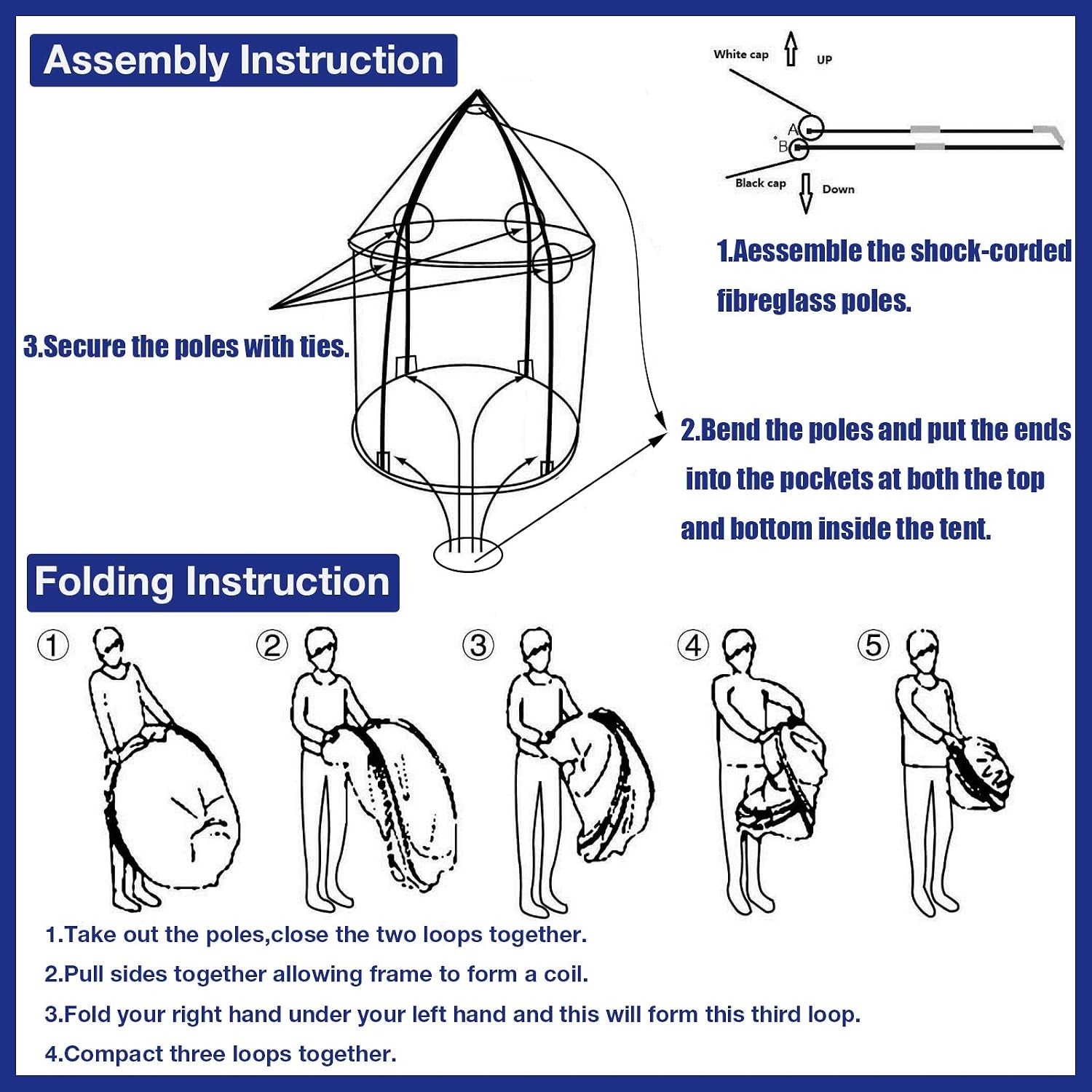
No tools are listed as required. The frame opens out and the fabric takes its shape, which is how pop-up style tents generally work. Instructions are supplied with the product.

How long does setup take?

For most people it is a matter of a minute or two once you have done it once. The first fold-down usually takes a little longer while you learn the technique. After that it becomes routine.

Is folding it back down difficult?

Pop-up frames have a knack to them, and it is worth reading the supplied instructions the first time. Once you know the twist and fold sequence, it goes quickly. Keep the instruction sheet in the carry bag for the next person who tries.

What colour is it?

Blue. The styling is rocket ship themed, and the theme field also lists castle, which reflects how the range is catalogued. Only one colourway is listed for this item.

What age is it suitable for?

A specific age grading is not confirmed in the maker's details. As a general guide, play tents of this kind suit preschool and primary age children. Always supervise young children around frames, fabric and small spaces.

Can it be used outdoors?

It is designed as an indoor play tent but works on a dry lawn or patio for shaded play. Do not leave it outside overnight or in wind and rain. Bring it in, let it dry fully, then fold it away.

Is it waterproof?

A waterproof rating is not specified in the maker's details. Treat it as an indoor product that tolerates occasional outdoor use on dry days. Standing water and heavy rain are not something to test with it.

How do I clean it?

Wipe the fabric with a damp cloth and a little mild soap, then let it air dry completely. Do not machine wash, bleach, tumble dry or iron the panels. Airing it out in a well-ventilated room once in a while keeps it fresh.

Does it have windows?

Yes, it has mesh windows. They let air circulate so it does not get stuffy inside and they give parents a view in from across the room. That visibility is one of the things people value most in a kids playhouse tent.

How does the door work?

The door ties back so it stays open during play. That suits younger children who find zips fiddly and helps keep airflow moving through the tent. Untie it when your child wants the full hideout effect.

Is it stable on a hard floor?

The padded steel frame sections give the base weight and structure, which helps it keep its shape on timber or tile. On very slippery surfaces, a rug underneath reduces sliding. On carpet it tends to sit well on its own.

Will the frame survive rough play?

Fibreglass rods are chosen for this kind of product because they flex and return rather than snapping under a bump. No frame is indestructible, though. Discourage climbing on the outside and check the poles occasionally for cracks.

Can I leave it set up all the time?

Yes, many families do, treating it as a permanent reading nook or quiet corner. Keep it out of direct sunlight to protect the fabric colour and away from heaters. If floor space is tight, folding it away between sessions is simple enough.

Is it good for a reading corner?

It works well for that. Add a soft mat, a couple of cushions and a battery lantern and you have a quiet spot for books. Many parents find it is the best reading nook tent arrangement because the enclosure cuts down visual distraction.

Can it be used for sleepovers?

Children often use play tents for naps and sleepovers with a mat and blanket inside. It is not a camping tent, so it is not built for outdoor overnight use. Keep overnight use indoors and supervised.

Does it include anything besides the tent?

A carry bag is included for storage and travel, and instructions are supplied. Mats, cushions, lights and toys are not part of the pack. Most people add a soft mat for comfort on hard floors.

Does it come with a floor mat?

A separate floor mat is not listed as part of this pack. A folded quilt, foam play mat or small rug works nicely underneath. It also makes the tent more comfortable on tile or timber.

Would it make a good gift?

It is a popular birthday and vacation present because it is visually exciting and starts getting used within minutes of unwrapping. It packs flat, so it is easy to wrap and transport. As the best imaginative play toy choices go, a tent earns its keep over years rather than weeks.

Can I take it to a park or a party?

Yes. It packs into its carry bag and the whole product weighs 570 g, so it is easy to carry. Use it on dry ground, keep an eye on wind, and pack it away dry.

Is it suitable for a day care or classroom?

Play tents are often used as quiet corners in group settings. Check your own setting's safety and fire requirements first, as flame-retardancy details are not specified in the maker's details. Always supervise group use.

How should I store it long term?

Make sure the fabric is completely dry, fold it flat and slide it into the carry bag. Keep it somewhere dry and away from direct sun. Avoid stacking heavy items on top, which can bend the frame over time.

Where is it made and who manufactures it?

The country of origin is China and the manufacturer listed is the maker

What if it is not right when it arrives?

Keep the carry bag and packaging and contact us through the site with your order number. Tell us what is wrong, whether that is a damaged pole, a fault in the fabric or simply the wrong fit for your room. We will walk you through a return or replacement under our standard returns policy.

How To Choose A Kids Play Tent That Actually Gets Used

6 min read Princess Tent Company

The problem with most play tents

Plenty of play tents get opened, loved for a weekend, then quietly folded into the back of a cupboard. The reason is rarely the child. It is usually something practical. The tent is too short to stand in. It gets hot and stuffy inside after ten minutes. It takes up half the bedroom and nobody can face wrestling it back into its bag. Or the frame bends on day three and the whole thing lists sideways like a sad tent at a wet festival.

A tent that keeps getting used tends to solve those problems quietly. It has enough headroom that a child does not feel squashed. It breathes. It folds away without a fight. And it looks like somewhere worth going. A rocket ship play tent gets the last part almost for free, because the shape itself suggests a story before anyone says a word.

How this one works

The structure here is a steel and fibreglass frame with a polyester shell over it. Those two materials do different jobs. Fibreglass rods are flexible, so when a child bumps a wall at speed the rod bends and comes back rather than cracking. The padded steel sections give the base its weight and stability, which is what stops the tent skating across a timber floor every time someone crawls in.

The polyester shell is the practical bit. It is light, it holds its colour, and crucially it wipes clean with a damp cloth. Children eat in tents. They bring in crayons, juice cups and whatever was on their hands from the backyard. A fabric you can wipe rather than wash is worth more than it sounds.

Set up, it measures 101.6 cm square at the base and 134.6 cm tall. That metre-square footprint is modest for a tent of that height, which is why it tends to fit into bedrooms where a wide playhouse would not. Packed, it comes down to 40 x 101.6 x 53 cm and goes into the included carry bag. The whole thing weighs 570 g, so moving it from the playroom to the car is a one-handed job.

Why ventilation matters more than people expect

Small enclosed spaces warm up fast, especially with two excited children inside. Mesh windows fix that. Air moves through, the inside stays comfortable, and children last longer in there before they come out red-faced and bothered.

There is a second benefit that parents appreciate just as much. Mesh means you can see in. You do not have to crouch at the door every few minutes to check who has got whose toy. From the sofa, across the room, you can keep half an eye on things while you get on with something else. The tie-back door adds to that. It stays open, so younger children are not fighting a flap that keeps dropping shut behind them, and little ones who dislike enclosed spaces can see the room the whole time.

Who it suits

This works best for children who are past the very wobbly young child stage and into pretend play. That is roughly the age when a cardboard box becomes a submarine and a tea towel becomes a cape. A rocket shape gives that instinct somewhere to go. Countdowns, landings, alien visitors, supply missions to the kitchen for biscuits.

It also suits households where floor space is at a premium. Because it folds flat and packs into a bag, you can have a tent on Saturday and a clear floor on Monday. Families in flats and smaller homes often rule out play structures entirely, then find a foldable play tent is the thing that actually works for them.

Siblings share it reasonably well at two children. Three is possible but snug. If your children are close in age and inclined to squabble over territory, the one metre base is worth knowing about in advance.

How to choose between play tents

A few things are worth comparing before you commit.

Height first. A tent your child cannot stand in becomes a crawl-in space, which is fine for young children but loses its appeal quickly with older children. At 134.6 cm, this one gives most younger children room to stand.

Then the frame. Fibreglass with steel is a step up from cheap plastic poles, which tend to go brittle. If you are comparing two tents and one lists a fibreglass frame, that usually tells you something about how long it will last.

Then storage. Ask yourself honestly whether the tent will live out permanently or get packed away. If it is the second, a carry bag is not a nice extra, it is the deciding feature. A tent that is annoying to fold stops getting folded, and then it stops getting put up at all.

Then the theme. This matters more than adults expect. Children buy into a space mission in a way they do not buy into a plain dome. The theme is what carries the play for the first few months, and the comfort and ventilation are what carry it after that.

Then the cleaning. Wipeable fabric saves you from the alternative, which is a tent you cannot wash and will not want to touch.

Setting it up well

Pop-up frames have a technique, and the first fold-down is always the slowest. Read the instructions once, properly, before you need to do it in a hurry at a birthday party. Keep that instruction sheet inside the carry bag so the next person who takes it down is not guessing.

Pick a spot away from radiators, heaters and direct sun. Heat is hard on both fabric and frame, and sustained sunlight will fade colour over a season. A corner away from doorways works well, since it stops the tent being knocked every time someone walks through.

On hard floors, a rug or a foam play mat underneath makes a noticeable difference. It stops sliding, it softens the floor for knees and elbows, and it makes the inside somewhere a child actually wants to stay. Add a cushion and a battery lantern and you have a reading nook rather than just a tent.

Looking after it

Care is simple. Wipe the fabric with a damp cloth and mild soap, then let it air dry fully before folding. Do not put the panels in a washing machine, do not bleach them, do not tumble dry and do not iron them. All of those will damage the coating and the stitching.

Check the poles every so often for cracks or splinters, particularly if the tent is used by several children or travels a lot. If you spot damage to a fibreglass rod, retire the tent rather than patching it.

Store it dry. Fabric that goes into a bag slightly damp comes out smelling musty and can mildew. Keep the folded tent in a dry cupboard and avoid stacking heavy boxes on top of it, which bends frames over time.

Outdoors and travel

On a dry day, it is fine on a lawn or patio and gives children a shaded spot of their own at a barbecue or picnic. It is not a camping tent. Leave it out overnight, in rain or in real wind, and you will regret it. Bring it in, let it dry, fold it away.

Travel is where the 570 g weight and the carry bag earn their place. Grandparents' houses, vacation rentals, a friend's backyard party. It goes in the boot without argument and comes out again looking the same.

The short version

If you want a play tent your child will keep using, look for headroom, airflow, a frame that flexes, and a bag that makes packing away easy. This one covers all four. It stands 134.6 cm tall on a metre-square base, uses polyester over a steel and fibreglass frame, has mesh windows and a tie-back door for air and visibility, and folds into a carry bag at 570 g.

The rocket theme is the hook. The ventilation, the wipe-clean fabric and the easy storage are what keep it in service long after the first launch.

Browse the shop

Ready for launch?

Add the rocket ship play tent to your cart and give your child a corner of the house that belongs to them.

Ask us a question

Page summary

It is made from polyester with a frame of steel and fibreglass. Set up, it measures 101.6 x 101.6 x 134.6 cm; packed, it measures 40 x 101.6 x 53 cm and weighs 570 g. Features include a tie-back door, mesh windows for ventilation and a carry bag for storage and travel. Country of origin is China; manufacturer is the maker It suits indoor playrooms, bedrooms and dry outdoor use. Colour is blue; one tent per pack. Flame-retardancy ratings, specific age grading and warranty terms are not specified in the maker's details.