
The complete guide
How To Choose A Princess Castle Play Tent That Actually Gets Used
The problem with most kids' play gear
A lot of children's toys get a loud reaction on the first day and then quietly disappear under a bed. Play tents are different, but only when they are chosen well. The ones that fail are usually too small to sit in properly, too fiddly to put up a second time, or too bulky to store once the novelty wears off. The ones that stick around are the ones a child can get into easily, that an adult can move in under a minute, and that fold away without a wrestling match.
That is really the whole test. A castle tent lives or dies on how little effort it takes to use.
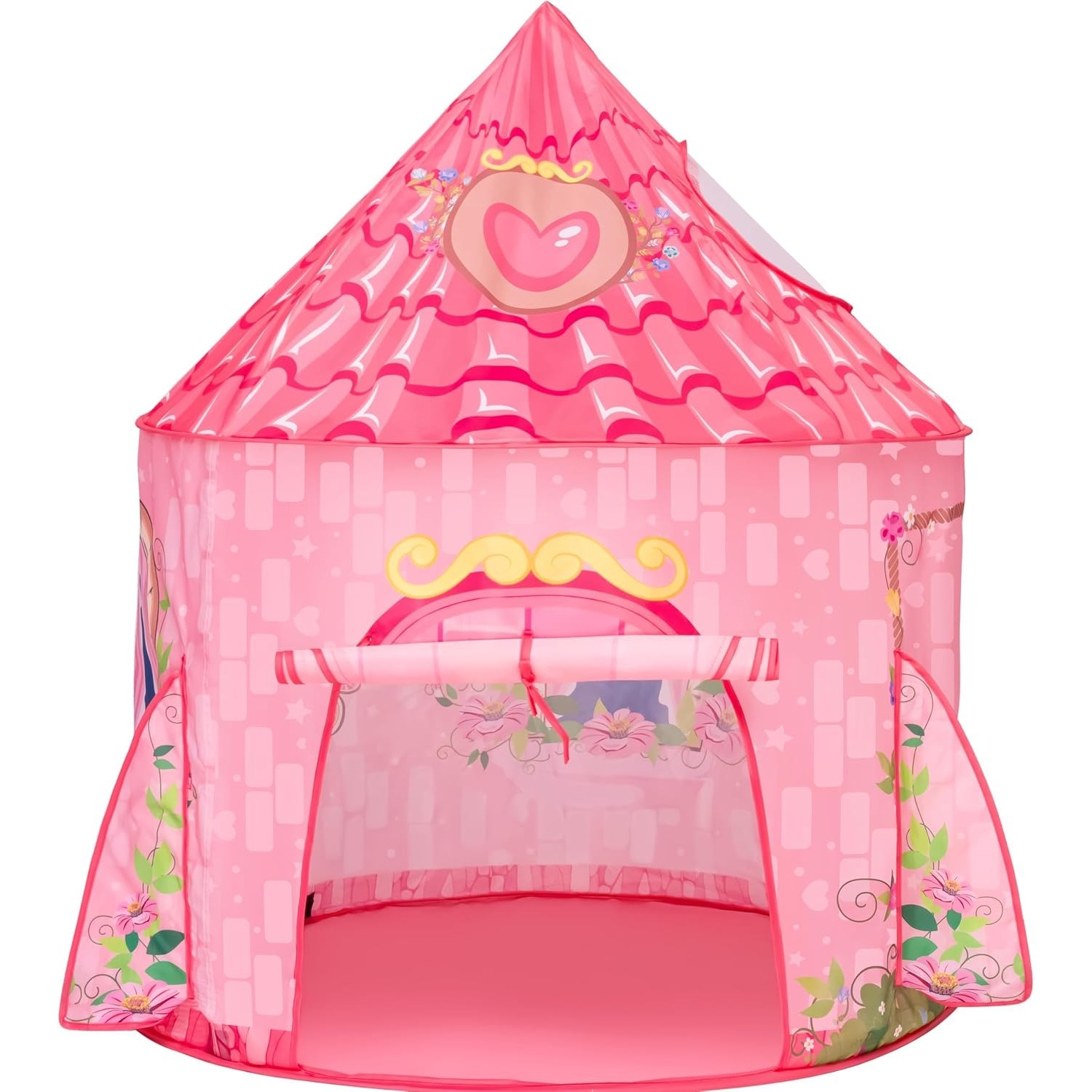
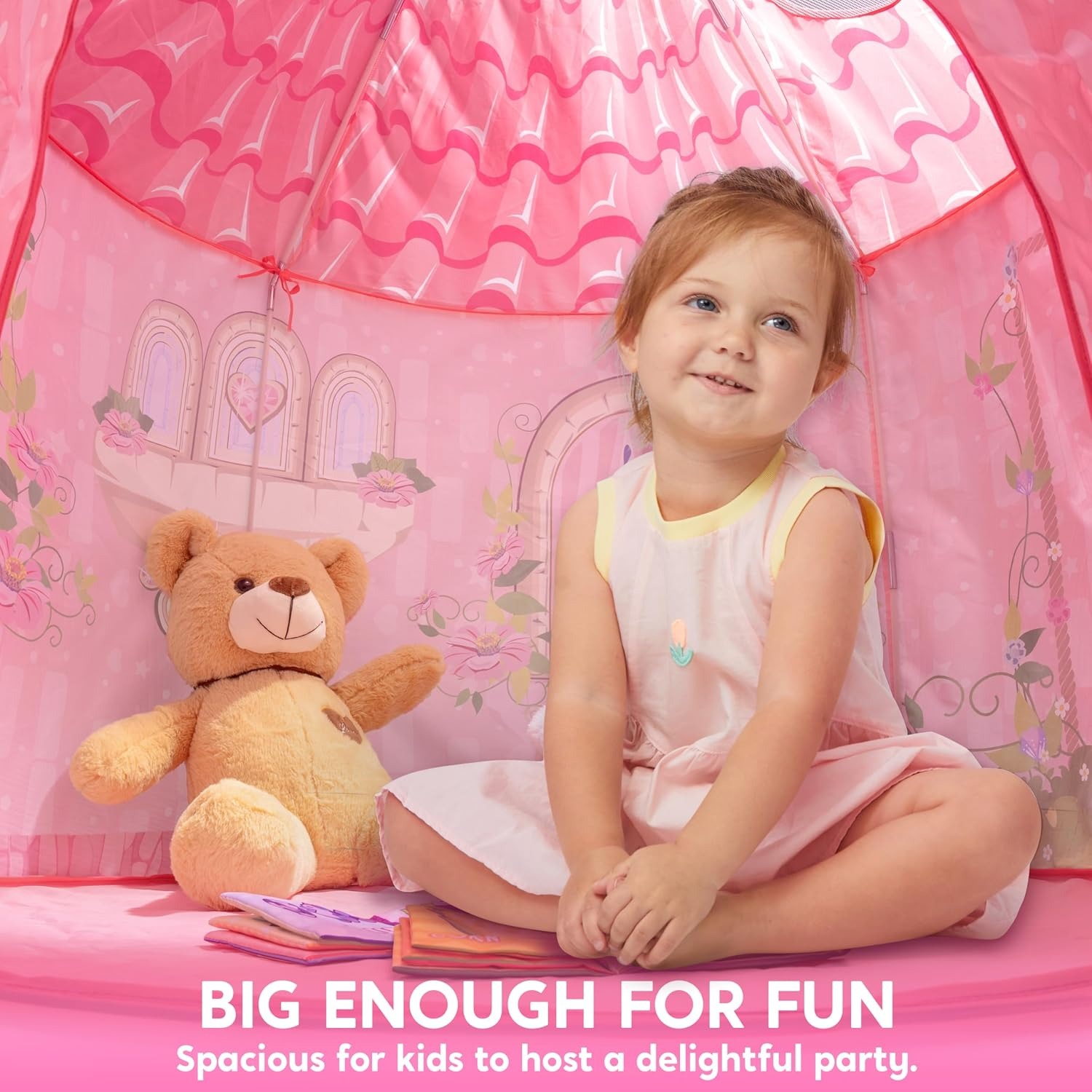
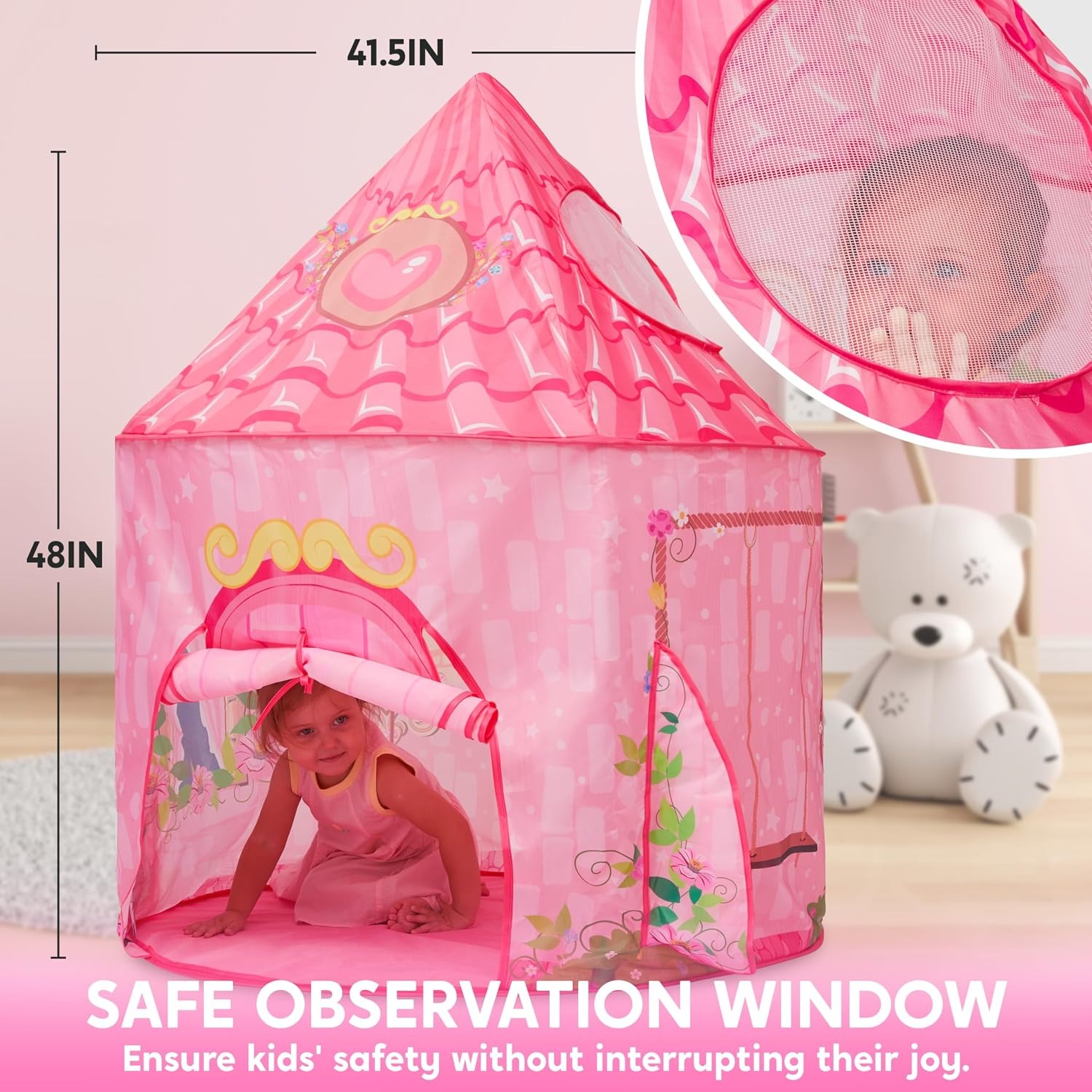
This one measures 105 x 105 x 120 cm. That is a square floor about the size of a small rug and enough height for a young child to kneel or sit up with room to spare. It is a deliberate middle ground. Smaller tents feel cramped after a few months of growth. Larger ones swallow a bedroom. This size gives a child a real space without pushing the bed against the wall.
How a castle tent actually works
The build is simple on purpose. Plastic poles form the frame, a polyester shell goes over the top, and roof anchors hold the castle shape so the peak does not sag. Floor anchors are included for outdoor use, where they peg the base into grass and stop the tent wandering across the lawn.
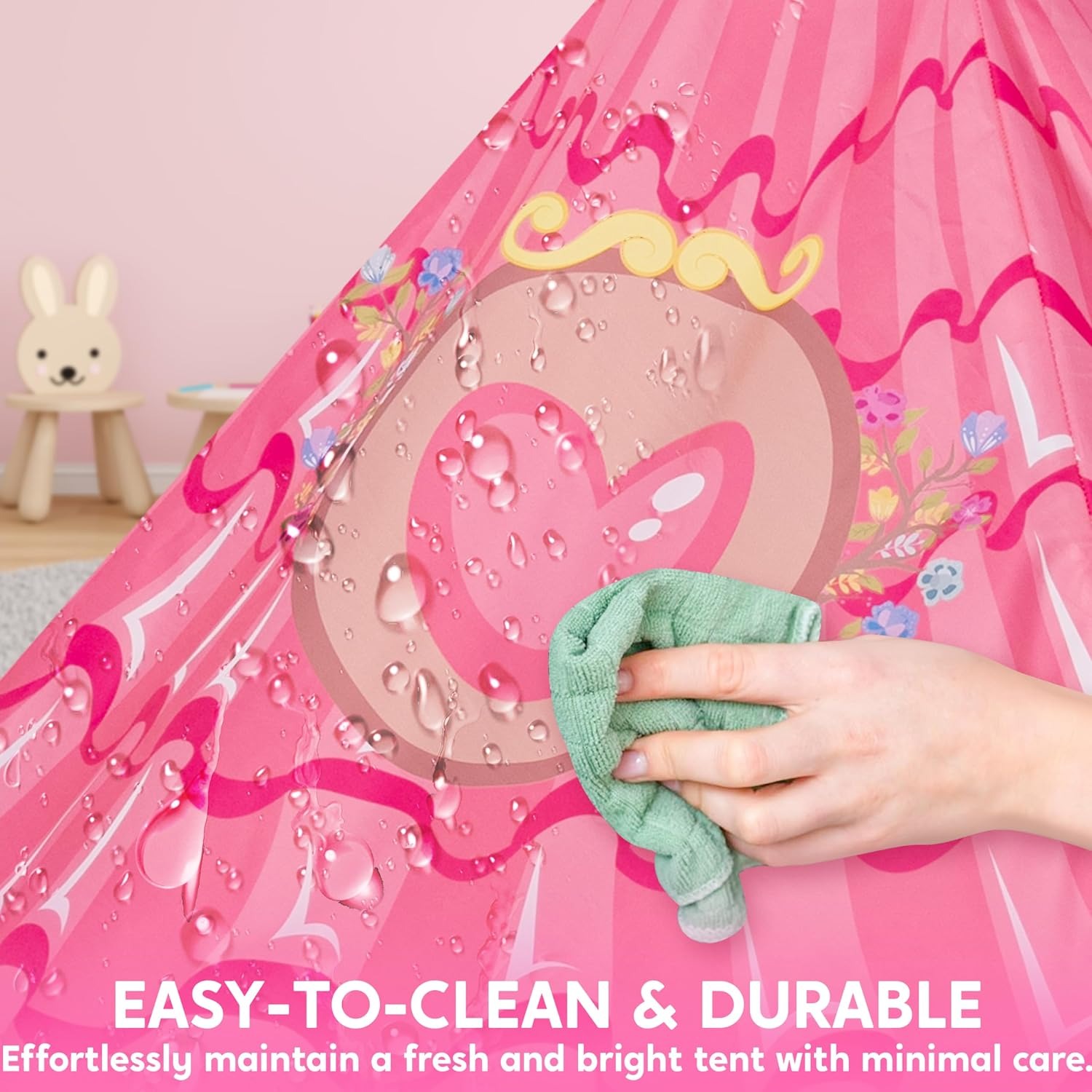
Polyester is the standard fabric here for good reasons. It is light, it takes printed graphics cleanly, and it does not soak up moisture the way heavier cottons do. That matters when a drink gets knocked over inside, which it will. A wipe with a damp cloth and some air drying usually handles it.
The listed product weight is 1.05 kg. That number sounds like a small detail until you have carried a tent from a bedroom to the backyard and back twice in a day. At this weight one adult can lift the whole assembled thing and reposition it without taking it apart.
Who it suits
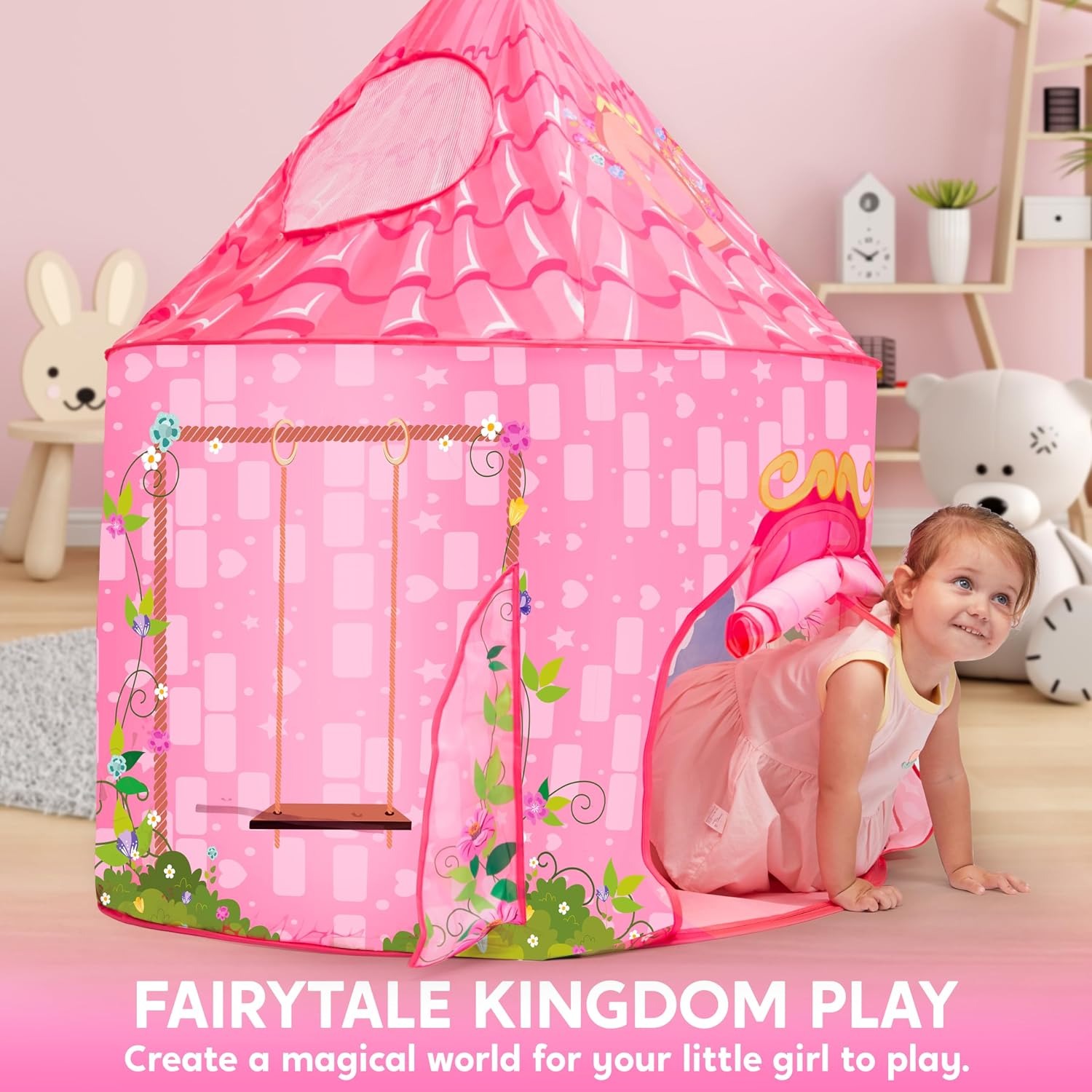
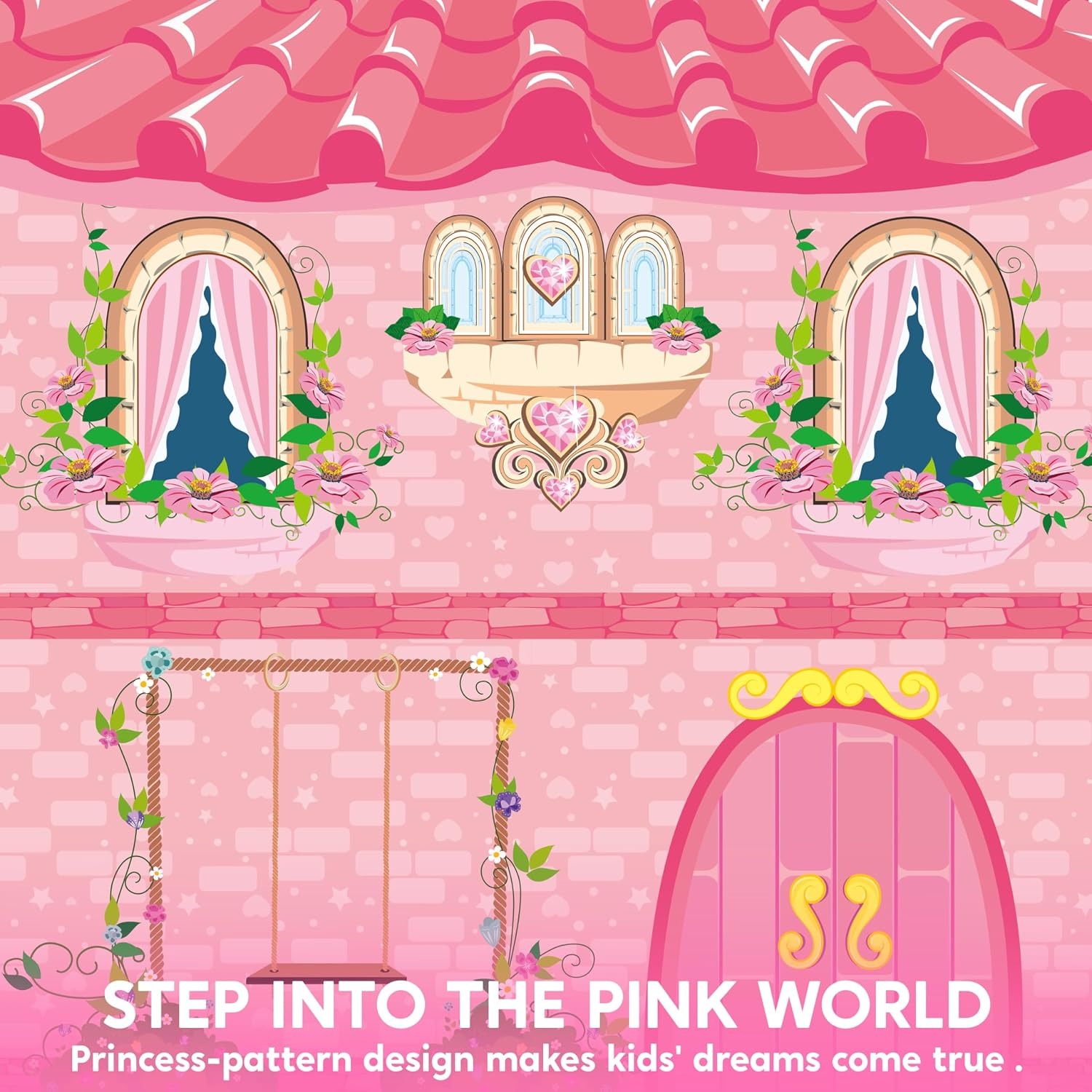
Younger children, roughly young child through early school years, get the most obvious use out of it. The castle graphics do a lot of the imaginative setup for them. Doors, windows and stonework are already printed on the panels, so a small child steps inside and immediately knows the game. They do not need an adult to explain what the space is.
Slightly older children use it differently. It becomes a reading corner, a hideout for small world toys, or just somewhere quiet to go when the house is loud. Parents of children who find busy rooms overwhelming often report this as the real value. A defined, enclosed, soft-sided space can be genuinely calming.
It also suits households where floor space is at a premium. Because it packs into the supplied tote, it does not need a permanent home. Up during the holidays, away during term time, if that is what works.
How to choose between play tents
A few things are worth checking before you buy any kids castle tent.
Internal height. Look for a height that lets your child sit up straight without ducking. This one is 120 cm, which covers most young children comfortably. If your child is tall for their age, measure them sitting cross-legged and add a little.
Footprint against your actual floor. Mark out 105 by 105 cm with masking tape in the spot you have in mind. It takes thirty seconds and it stops the common disappointment of a tent that technically fits but blocks a door.
Whether the set is complete. A tent that needs separate pegs or extra poles is an annoyance. This one includes four poles, roof anchors, floor anchors and a carry tote, so there is nothing to order alongside it.
Portability. If you want the best portable kids tent for car trips and grandparents' houses, weight and pack size matter more than anything else. A light tent in a tote travels. A heavy one with loose parts does not.
How it stores. Ask yourself honestly where it will live when it is down. If the answer is a closet shelf or the top of a cupboard, a folding tent in a bag is the right answer.
Indoors or outdoors
Both work, but they call for slightly different handling.
Indoors, set the tent on a rug or carpet and leave the floor anchors in the bag. Keep it away from radiators, heaters and curtain cords. Give it a corner rather than the middle of the room, so it is not in a walkway. A cushion and a small blanket inside will multiply the time your child spends in there.
Outdoors, use the floor anchors. Grass is the best surface since the pegs bite properly. Choose a sheltered spot out of direct midday sun, which is kinder to both the printed fabric and the child inside. Bring the tent in before rain, and if it does get damp, open it up and let it dry fully before it goes back in the tote. Fabric packed away wet is how mildew starts.
On patios and decking the tent will sit fine but cannot be pegged, so keep an eye on it if there is any breeze.
Care that keeps it looking good
Care here is low effort. Wipe spills with a damp cloth and a small amount of mild soap, then let the panel air dry. Avoid machine washing, bleach and the tumble dryer, as all three put unnecessary stress on seams and printing.
Check the poles occasionally. If one sits loose in its sleeve, reseat it rather than forcing the frame, since a badly seated pole puts strain on the fabric. Store the poles straight in the tote rather than bent, and keep the whole set somewhere dry.
Sunlight is the main enemy of any printed play tent. Weeks of direct sun will dull colours over time. Pack it away after backyard sessions and the graphics will stay bright for years.
Making it feel like a real castle
The tent is a shell. What goes inside decides whether a child keeps returning to it.
A soft rug or folded blanket on the floor makes a surprising difference, because hard floors get uncomfortable fast. A battery operated fairy light or a small flashlight adds the glow that makes a den feel special, and children love controlling their own light. A basket of books, a couple of soft toys, and that is a complete setup.
Some families add a small cushion each for siblings and use it as the designated calm-down spot. Others keep it strictly for stories at bedtime. Either way, giving the space a purpose helps it stay in use past the first fortnight.
The short version
This is a 105 x 105 x 120 cm castle themed play tent in polyester on a plastic pole frame, listed at 1.05 kg, supplied with four poles, roof anchors, floor anchors and a carry tote. It sets up in minutes, moves easily between rooms, pegs down for the backyard, and folds back into its bag when you need the floor again.
If you want a princess castle play tent that your child can get into on their own and that you can put away without resenting it, this one is built around exactly that balance. Colour, country of origin and a manufacturer age range are not specified in the maker's details, so check the product images for the look and use your own judgement on age, with supervision for the youngest children.